
FR Fabric: ผ้าที่ออกแบบเพื่อลดการลุกลามของเปลวไฟ
FR Fabric: Textiles Designed to Limit Flame Spread
FR Fabric เป็นคำกว้างสำหรับผ้าที่ได้รับการออกแบบให้ลดการติดไฟหรือการลุกลามของเปลวไฟเมื่อเทียบกับวัสดุทั่วไปภายใต้เงื่อนไขทดสอบที่กำหนด ไม่ได้หมายความว่าผ้าจะไม่ไหม้หรือป้องกันอันตรายจากไฟได้ทุกสถานการณ์
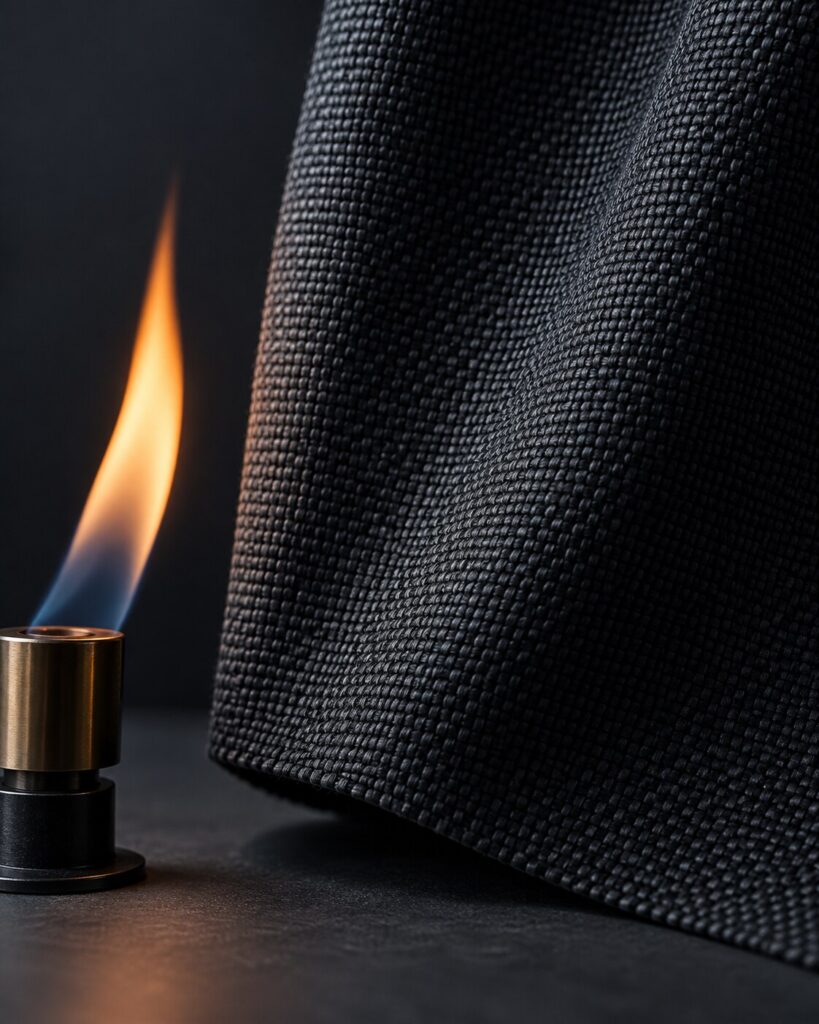
ส่วนประกอบเส้นใย
คุณสมบัติ FR สามารถเกิดจากเส้นใยที่มีสมบัติทนเปลวไฟในตัว เช่น Aramid, Modacrylic, PBI หรือ FR cellulosic บางประเภท หรือเกิดจากการตกแต่งสารหน่วงไฟบน Cotton, Polyester หรือผ้าผสม Composition เพียงอย่างเดียวไม่สามารถยืนยันระดับการป้องกัน ต้องพิจารณาโครงสร้าง น้ำหนัก การตกแต่งสำเร็จ และผลทดสอบของผ้ารหัสจริงร่วมกัน
เรื่องราวของผ้า
ผ้า FR ถูกพัฒนาขึ้นเพื่อใช้ในสภาพแวดล้อมที่การลุกไหม้ของเสื้อผ้าหรือสิ่งทออาจเพิ่มความรุนแรงของอันตราย แนวคิดสำคัญคือการควบคุมพฤติกรรมเมื่อสัมผัสเปลวไฟ เช่น การลุกลาม ระยะเวลาการไหม้ต่อ และการเกิดรูหรือเศษหลอมละลาย ทั้งนี้ขึ้นอยู่กับมาตรฐานและวิธีทดสอบ
คำว่า Flame Resistant มักใช้กับวัสดุที่มีสมบัติทนเปลวไฟจากองค์ประกอบของเส้นใยหรือระบบวัสดุ ส่วน Flame Retardant มักใช้กับวัสดุที่ผ่านการเติมหรือเคลือบสารเพื่อชะลอการลุกไหม้ แต่การใช้คำในตลาดอาจแตกต่างกัน สิ่งที่เชื่อถือได้ที่สุดคือชื่อมาตรฐาน วิธีทดสอบ ผลการทดสอบ และขอบเขตการใช้งาน
คุณสมบัติพิเศษ
- จำกัดการลุกลามภายใต้เงื่อนไขทดสอบ: ต้องอ้างอิงวิธีทดสอบและผลจริงของผ้า
- มีทั้งชนิด Inherent และ Treated: อายุของสมบัติอาจแตกต่างกัน โดยเฉพาะหลังซักหรือสัมผัสสารเคมี
- ออกแบบให้เหมาะกับความเสี่ยงเฉพาะ: งานเชื่อม ความร้อน เปลวไฟ อาร์กไฟฟ้า หรือของเหลวร้อนอาจต้องใช้มาตรฐานคนละชุด
- เป็นส่วนหนึ่งของระบบป้องกัน: ผ้า การออกแบบเสื้อผ้า ตะเข็บ อุปกรณ์เสริม และวิธีใช้งานล้วนมีผลต่อการป้องกันโดยรวม
เหมาะกับการใช้งาน
ชุดทำงานอุตสาหกรรม เสื้อผ้าป้องกัน ผ้าม่านหรือสิ่งทอภายในโครงการ งานขนส่ง โรงแรม โรงละคร และพื้นที่สาธารณะ การเลือกใช้ต้องอ้างอิงข้อกำหนดของประเทศ โครงการ อุตสาหกรรม และความเสี่ยงจริง ไม่ควรเลือกจากคำว่า FR เพียงอย่างเดียว
ข้อควรทราบ
FR ไม่เท่ากับ fireproof. ผ้ายังสามารถเสียหาย ไหม้เกรียม หรือเกิดอันตรายได้ภายใต้ความร้อนและเปลวไฟ คุณสมบัติของผ้าตกแต่งสารอาจลดลงจากการซักผิดวิธี การปนเปื้อน หรืออายุการใช้งาน ห้ามระบุมาตรฐาน ระดับป้องกัน หรือจำนวนครั้งการซัก หากไม่มี Test Report/Certificate ของผ้ารหัสและรุ่นการผลิตที่เกี่ยวข้อง ข้อมูลหน้านี้ไม่ใช้แทนการประเมินความเสี่ยงหรือคำแนะนำจากผู้เชี่ยวชาญด้านความปลอดภัย
Sustainability & Technical Note
การประเมินผ้า FR ควรพิจารณาทั้งอายุการใช้งาน ความทนทานต่อการซัก เคมีที่ใช้ การซ่อมบำรุง และการกำจัดปลายทาง สมบัติที่คงทนอาจช่วยยืดอายุผลิตภัณฑ์ แต่สารเติมแต่งหรือผ้าผสมอาจทำให้การรีไซเคิลซับซ้อนขึ้น จึงควรขอเอกสารสารเคมีและข้อแนะนำการจัดการจากผู้ผลิต
FR fabric is a broad term for textiles designed to reduce ignition or flame spread compared with ordinary materials under specified test conditions. It does not mean that a fabric cannot burn or will protect against every fire hazard.
Fiber composition
FR performance may come from inherently flame-resistant fibers such as aramid, modacrylic, PBI, or certain FR cellulosics, or from flame-retardant finishes applied to cotton, polyester, or blends. Composition alone cannot confirm a protection level; construction, weight, finishing, and test results for the actual fabric must be considered together.
The story
FR fabrics were developed for environments where ignition of clothing or textiles can intensify a hazard. The key concern is behavior during flame exposure—such as flame spread, afterflame, hole formation, or melting—depending on the applicable standard and test method.
Flame resistant often describes performance inherent to the fiber or material system, while flame retardant often refers to materials treated or modified to slow burning. Market usage varies, so the most reliable information is the named standard, test method, test result, and intended end use.
Special properties
- Limited flame spread under test conditions: claims must cite the method and actual fabric result.
- Inherent and treated options: durability can differ, particularly after laundering or chemical exposure.
- Designed for a defined hazard: welding, heat, flame, electric arc, and hot-liquid hazards can require different standards.
- Part of a protective system: fabric, garment design, seams, components, and correct use all affect overall protection.
Suitable applications
Industrial workwear, protective clothing, contract curtains and interiors, transport, hospitality, theaters, and public spaces. Selection must follow country, project, industry, and hazard-specific requirements rather than relying on the letters FR alone.
Important notes
FR does not mean fireproof. Fabric can still be damaged, char, burn, or become hazardous under heat and flame. Treated performance may decline through incorrect laundering, contamination, or service life. Do not state a standard, protection level, or wash durability without a test report or certificate covering the relevant fabric code and production. This page does not replace a hazard assessment or advice from a qualified safety professional.
Sustainability & Technical Note
FR textile assessment should consider service life, laundering durability, chemistry, maintenance, and end-of-life handling. Durable performance may extend product life, while additives or complex blends can make recycling more difficult. Request chemical documentation and disposal guidance from the manufacturer.
Sources / แหล่งข้อมูล
- ISO 15025:2016 — Method of test for limited flame spread
- ISO 14116:2015 — Limited flame spread materials, assemblies and clothing
- ISO 6941:2026 — Measurement of flame spread properties of vertically oriented textile fabrics
ตรวจสอบข้อมูลล่าสุด / Last reviewed: กันยายน 20, 2026